Why This Customized Product Was Suitable for the Art Market
Customized art portfolio products became useful because they solved a very specific problem: how to carry, protect and present artwork in a simple way.
For art students, children, teachers and creative users, artwork is often difficult to manage. Paper can bend easily, drawings can be damaged, and small tools may get lost during class or travel. A product like this helped combine storage, display and portability in one design.
From a Top Sales perspective, this product was not only a bag. It was a practical art companion for schools, art classes, creative workshops and gift programs.
Designed for Artwork Protection
Artwork needs more protection than ordinary documents. Drawings, paintings, worksheets and craft papers can easily be folded, stained or damaged.
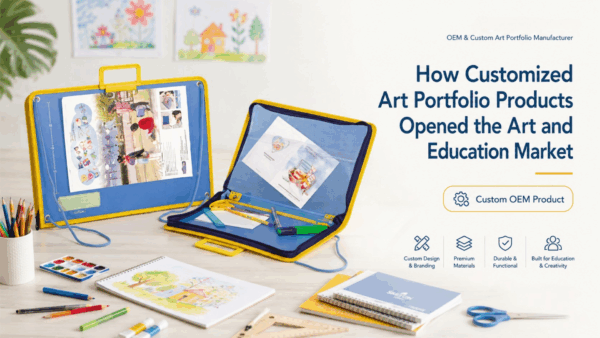
This type of portfolio product helped keep papers flat and protected during carrying. The outer structure, zipper closure and internal compartments made it easier for users to store artwork safely.
Useful for Children, Students and Art Classes
The design was especially suitable for younger users and art education markets. Children could carry their drawings, worksheets and art tools in one product. Teachers could also use it as part of classroom material organization.
For art schools, kindergartens, after-school programs and creative workshops, this kind of product had strong practical value.
A Product with Both Function and Visual Appeal
The bright color combination, handle design and playful structure made the product more attractive than a plain folder. This was important for the children’s art market, where visual design often affects purchasing decisions.
A functional product became easier to sell when it also looked friendly, colorful and easy to understand.
How Customization Helped the Product Enter Different Markets
Customization was one of the strongest selling points of this product. Buyers could adjust the color, logo, size, material, internal layout and packaging according to their target market.
This flexibility allowed the product to move beyond a single use case and enter several different channels.
Custom Colors for Brand Identity
Color is often the first thing customers notice. For schools, art brands or children’s product companies, customized colors helped create a stronger brand image.
A buyer could choose bright colors for children’s art classes, softer colors for stationery retail, or brand colors for promotional projects.
Logo and Branding for OEM Projects
The product could be developed as an OEM or private label item. A brand logo, school name or event name could be added to the product to make it more exclusive.
This was useful for:
- Art supply brands
- Stationery retailers
- School programs
- Educational institutions
- Promotional gift companies
- Children’s creative product brands
Internal Structure Based on User Needs
Different customers may need different internal layouts. Some may need more paper storage. Others may need pockets for crayons, brushes, scissors or rulers.
This made the product more than a standard item. It could be adjusted for different user groups and price levels.
Why Art Portfolio Products Were Strong Top Sales Items
Art portfolio products became good selling items because the value was easy to understand. Buyers could immediately see how the product would be used.
It protected artwork, organized materials and made carrying easier. This kind of clear function made it easier for distributors and retailers to promote.
Clear User Scenario
A strong product needs a clear usage scenario. This product could be shown in many real-life situations:
A child carrying artwork to school.
A teacher organizing student works.
An art class using it for materials.
A parent buying it as a practical creative gift.
These scenarios made the product easier to explain and easier to sell.
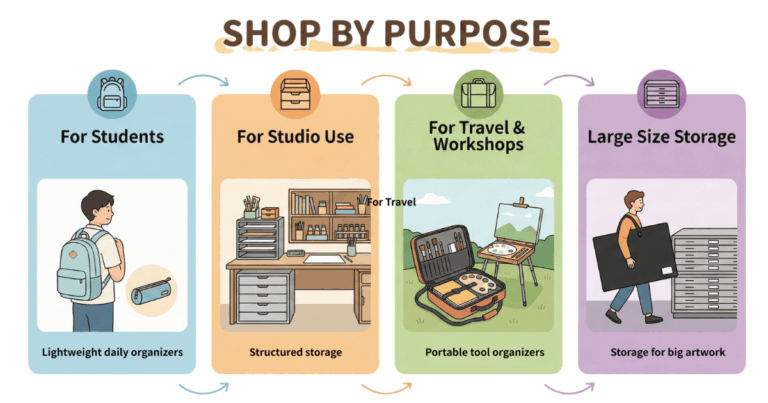
Practical for Both School and Retail Channels
The product could fit school supply channels and retail channels at the same time. Schools needed organization. Retailers needed attractive and practical products.
This dual-channel potential made the product more flexible in sales planning.
Easy to Develop into a Product Series
Another advantage was that this product could be expanded into a series. Buyers could develop different sizes, colors or versions for different age groups.
For example:
- Small size for children
- Larger size for art students
- Bright color version for schools
- Neutral color version for retail
- Branded version for art supply companies
This made the product more suitable for long-term development.
How This Product Connected Art, Storage and Education
The art market is not only about professional artists. It also includes students, children, hobby users, teachers and institutions.
This product worked well because it connected art storage with daily education needs.
Artwork Storage for Everyday Use
Many users need a simple way to keep finished drawings, worksheets and creative projects together. A portfolio product helps prevent artwork from being scattered or damaged.
This makes it especially useful for students who often move between home, school and art class.
Tool Storage for Creative Activities
Besides artwork, users also need to carry small tools. The internal pockets could hold basic supplies such as pencils, crayons, rulers or small craft tools.
This increased the product’s value because it was not only for paper storage, but also for creative preparation.
Presentation Value for Art Projects
When artwork is carried in a proper portfolio, it looks more complete and organized. This matters for art classes, exhibitions, reviews and school projects.
The product helped users present their work with better order and care.
Why Customized Art Portfolio Products Still Have Market Potential
Even though some older styles may no longer be produced, the product concept is still relevant. Art education, children’s creativity, DIY activities and school projects continue to create demand for practical art storage products.
The market may change, but the need to protect and organize creative work remains.
Art Education Continues to Create Demand
Children’s art classes, after-school programs and creative workshops still need products that help store and carry artwork.
This gives art portfolio products a stable foundation in the education market.
Parents Prefer Practical Creative Products
Parents often look for products that are useful, durable and easy for children to use. A colorful art portfolio case can be positioned as both a school item and a creative gift.
This creates opportunities for retail packaging, seasonal promotions and back-to-school campaigns.
Brands Can Use It as a Custom Gift Product
Art supply brands, museums, creative events and educational companies can use this type of product as a branded gift or custom merchandise item.
With logo printing and color customization, the product can become part of a brand’s visual identity.
What This Product Shows About Manufacturing Experience
This customized art portfolio product shows more than one production capability. It reflects material selection, sewing structure, color matching, internal layout design and customer-based development.
For a factory, this type of product is important because it proves the ability to turn a market need into a practical product.
Experience in Functional Product Design
The product needed to balance protection, portability and usability. The handle, zipper, inner pockets and overall structure all had to support real usage.
This kind of experience is useful for developing other storage and carrying products.
Experience in Custom Product Development
Different buyers may have different needs. Some focus on cost. Some focus on appearance. Some need branding. Some care more about internal function.
This product shows how custom development can adjust the same basic idea for different markets.
Experience in Serving Niche Markets
The art and education market is specific, but it has clear needs. Products for this market must be practical, visual and easy to understand.
This customized art portfolio product helped open that market because it matched the way users actually carried and protected creative work.
Conclusion: A Customized Product That Opened the Door to the Art Market
This customized art portfolio product was valuable because it connected product function with a clear market need. It helped users protect artwork, organize materials and carry creative work more easily.
From a Top Sales perspective, its strength came from three things: clear usage, strong customization potential and a market that truly needed practical storage solutions.
It also shows an important manufacturing lesson.
A good customized product is not only about changing color or adding a logo. It is about understanding who will use the product, what problem they need to solve and how the product can fit into their daily routine.
For the art and education market, this product created a practical bridge between storage, creativity and learning.