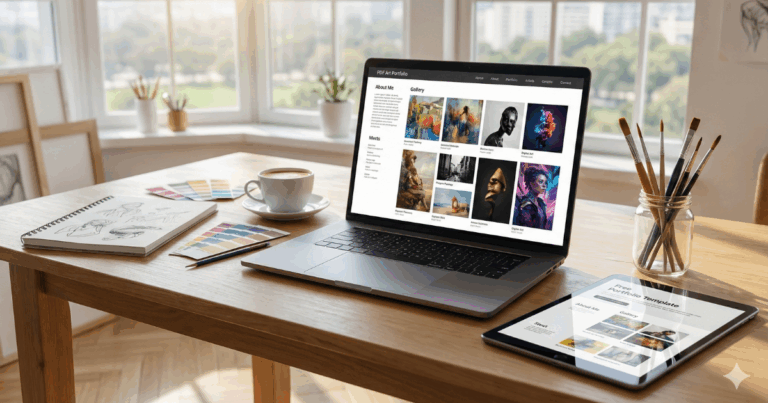
An artwork portfolio is more than a collection of pieces — it’s a structured narrative of your creative journey, visual problem-solving, and artistic identity. Whether you are applying to art school, presenting to clients, or building professional opportunities, a well-organized portfolio helps others quickly understand your capabilities and potential.
Portfolios serve as both introduction and evidence — they need to look intentional and communicate effectively. The following ten tips focus on thoughtful selection, professional presentation, and strategic organization that elevate your work from “just shown” to “understood and remembered.”
Why a Strong Portfolio Matters
A portfolio acts as your visual resume. It is often the first impression a reviewer gets of your style, technical ability, and conceptual voice. Reviewers frequently spend only a few minutes per portfolio — so clarity, organization, and intention are as crucial as the work itself. A strong portfolio expresses who you are as an artist before you even speak.
Choosing the Right Artwork for Your Portfolio
Curate, Don’t Collect
Instead of including everything you’ve created, choose pieces that show your best thinking and strongest execution. Too many works can dilute your voice. Think of your portfolio like a gallery exhibit — it should have focus, rhythm, and purpose.
Show Variety Within Your Style
Consistency builds identity, but variety demonstrates range. Include different subjects, techniques, or approaches while maintaining a recognizable visual language.
Show Variety Within Your Style
While a consistent style holds your portfolio together, varied techniques demonstrate versatility. This could mean including works in different mediums, subject matter, or approaches — as long as they feel like parts of the same creative language.
Start Strong, End Strong
First and last impressions matter most. Lead with one of your strongest pieces to capture interest immediately. Your closing piece should also be compelling — like the final note of a beautiful composition.
Presenting Your Work Professionally
Pay Attention to Presentation
Even excellent artwork can feel less impactful if it’s poorly displayed. Layout matters. Use clean grids, consistent spacing, and uncluttered pages to help viewers focus on your pieces, not the background or layout noise.
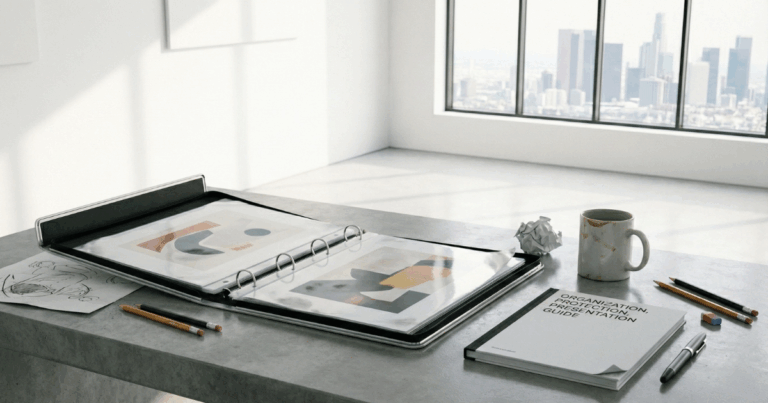
If you are preparing a physical portfolio, structured presentation tools help keep pages flat, prevent curling, and ensure visual consistency. Proper page protectors, hinge strips, and even archival sheets contribute to a professional impression.
Keep the Sequence Logical
Arrange your pieces in a way that moves naturally from one idea to the next. Group by theme, time period, medium, or conceptual evolution — but always with coherence. Good sequencing makes the narrative easier to follow and more meaningful.
Maintain Visual Balance
Avoid placing similar looking works next to each other repeatedly. Use contrast in scale, composition, and color to create visual rhythm that keeps the reviewer engaged.
Showing Your Creative Thinking
Demonstrate Process, Not Just Results
Including development sketches, iterations, or process shots can enrich your portfolio. These show how you approach challenges and refine ideas — a critical insight for admissions committees and professional reviewers.
Adapting Your Portfolio for Different Goals
Tailor Your Portfolio to the Purpose
Different reviewers are looking for different things. Academic panels may focus on potential and conceptual development, while clients may prioritize polished outcomes and problem solving. Knowing your audience helps you prioritize what to show.
Keeping Your Portfolio Relevant
Keep It Updated
As your skills and style evolve, so should your portfolio. Removing older work that no longer reflects your current ability helps keep your narrative sharp and relevant.
Reviewing Your Portfolio Before Submission
Think Like a Viewer
Step back and evaluate your portfolio from the perspective of someone seeing it for the first time. Ask:
Is the strongest work easy to find?
Does the sequencing feel intentional?
Is the overall presentation professional and clear?
These reflections help refine not just what you show, but how you show it.
Preparing a Physical Portfolio
For in-person presentations, interviews, or portfolio reviews, how your work is physically placed and protected becomes part of the experience. Well-chosen storage and display tools help maintain condition, ease page turning, and reflect your care for presentation.
Many artists and students find that structured art storage solutions help preserve flat work and maintain page alignment during transport. For those who travel between classes, studios, or workshops, lightweight art organizer bags help keep work and tools accessible without sacrificing organization.
Final Thoughts
An irresistible portfolio depends not on quantity, but on clarity, focus, and thoughtful presentation. When your work is organized with intention, displayed professionally, and tailored to your audience, your creative voice becomes easier to understand — and much harder to forget.
Explore Storage Options by Purpose
Explore storage and presentation options by purpose to find solutions that best match your workflow — whether you need robust protection for flat work, ergonomic accessibility for daily use, or tools that travel with you.