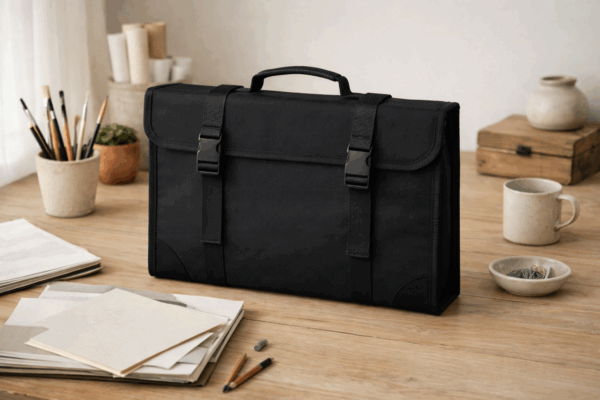
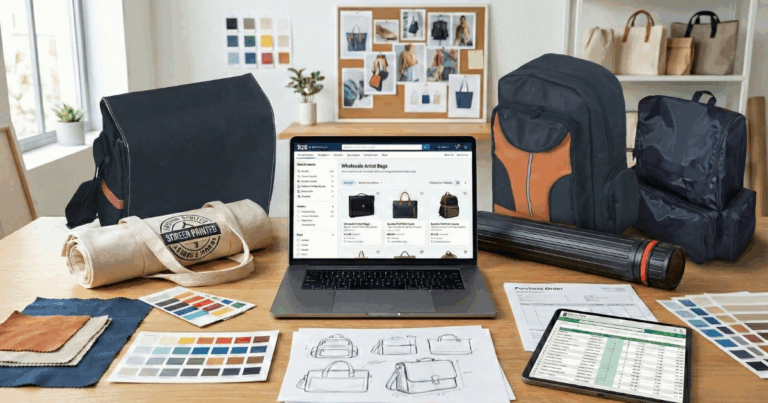
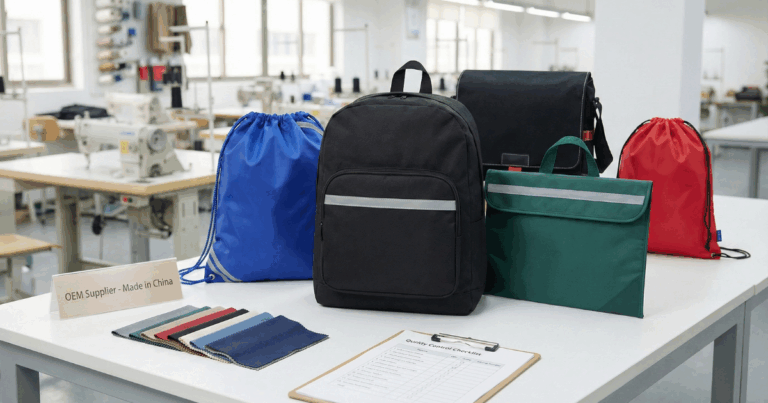
An art portfolio case should do more than hold work — it needs to protect, organize, and even communicate the value of your creations. When selecting a portfolio case, materials play a key role in durability, ease of use, and sustainability. The right choice can make a lasting impression while protecting your work for years to come.
This guide breaks down key considerations to help you choose a case that’s both durable and eco-friendly.
Assess Material Quality
Why Material Choice Matters
Common Materials Used in Portfolio Cases
Your portfolio case isn’t just for one show or one semester. It should support you through years of classes, critiques, interviews, and exhibitions.
Here’s how to assess long-term performance:
Stitching & Edges – Reinforced seams and stitched corners last longer than glued ones
Zippers – Choose smooth, rust-resistant zippers with large pulls
Handles/Straps – Opt for padded, adjustable straps that won’t dig into your shoulder
Hinges & Spine – Look for strong binding if using a ring binder or flip-folder style
Durability means more than just surviving—it means keeping its shape, form, and function over time.
Canvas and Cotton-Based Fabrics
Canvas and cotton are popular for soft portfolio cases and lightweight totes.
Pros:
Breathable and flexible
Easier to carry
Often recyclable / natural fibers
Considerations:
May need reinforcement for heavier or flat artwork
Can absorb moisture if untreated
For everyday mobility and casual use, canvas-based options often combine lightweight convenience with environmental friendliness.
Polypropylene (PP) / Recycled Plastic Materials
PP and recycled plastic fabrics are frequently used for more structured soft cases and folders.
Pros:
Water-resistant
Affordable
Can be made from recycled materials
Considerations:
Not as biodegradable as natural fiber
Still lightweight and protective
Many eco-minded suppliers now offer PP sourced from recycled materials. Look for certifications or stated recycled content.
Structured Board and Reinforced Shells
Hard cases or folders often use reinforced boards, EVA shells, or composite materials.
Pros:
Excellent protection
Keeps shape and resists bending
Great for large sheets and important presentations
Considerations:
Heavier than soft cases
Material origins vary (may include plastics)
For students, professionals, and presenters who need stronger protection, structured storage options are worth considering.
Balancing Durability and Sustainability
When evaluating materials, ask:
Is it protective enough for my work?
How long will it last?
Does the material have recycled or low-impact alternatives?
Can it be reused or recycled at end of life?
Some brands offer eco lines featuring recycled canvas, certified cotton, or sustainable coatings that still provide strength and water resistance.
Design Features That Complement Material Choice
Material matters, but so do design details.
Reinforced Corners and Edges
Cases with reinforced edging or frames protect against impact and wear.
Secure Closures
Zippers, snaps, or magnetic closures help keep contents safe, especially during travel or presentations.
Internal Organization
Pockets, sleeves, and compartments help protect individual works and tools, reducing shifting that can cause damage.
Sustainable Practices to Consider
Choosing eco-friendly doesn’t only mean highlighting a material label — it also means checking:
Use of non-toxic dyes or coatings
Minimal packaging or recycled packaging
Durable design that extends product life
Material Comparison at a Glance
Material
Protection
Weight
Sustainability
Canvas / Cotton
Medium
Light
High
Recycled PP
Medium–High
Light
Medium–High
Reinforced Board / Shell
High
Medium
Variable
Linking Material to Use Case
For art that needs strong protection and flat storage, many artists choose structured art storage solutions designed to maintain shape and support larger sheets.
If your priority is everyday mobility, and you carry tools and lighter work frequently, consider lightweight art organizer bags that balance convenience with protective features.
Final Thoughts
Choosing the right portfolio case comes down to understanding how you work and what you value. Durable materials paired with thoughtful design features provide protection and ease of use, while eco-friendly choices reflect mindful practice. By selecting materials that balance strength, sustainability, and portability, you can build a portfolio system that works for you.
For options that suit specific workflows — whether strong, structured protection or lightweight daily use — explore art organizers by usage type to find solutions that match your needs.